
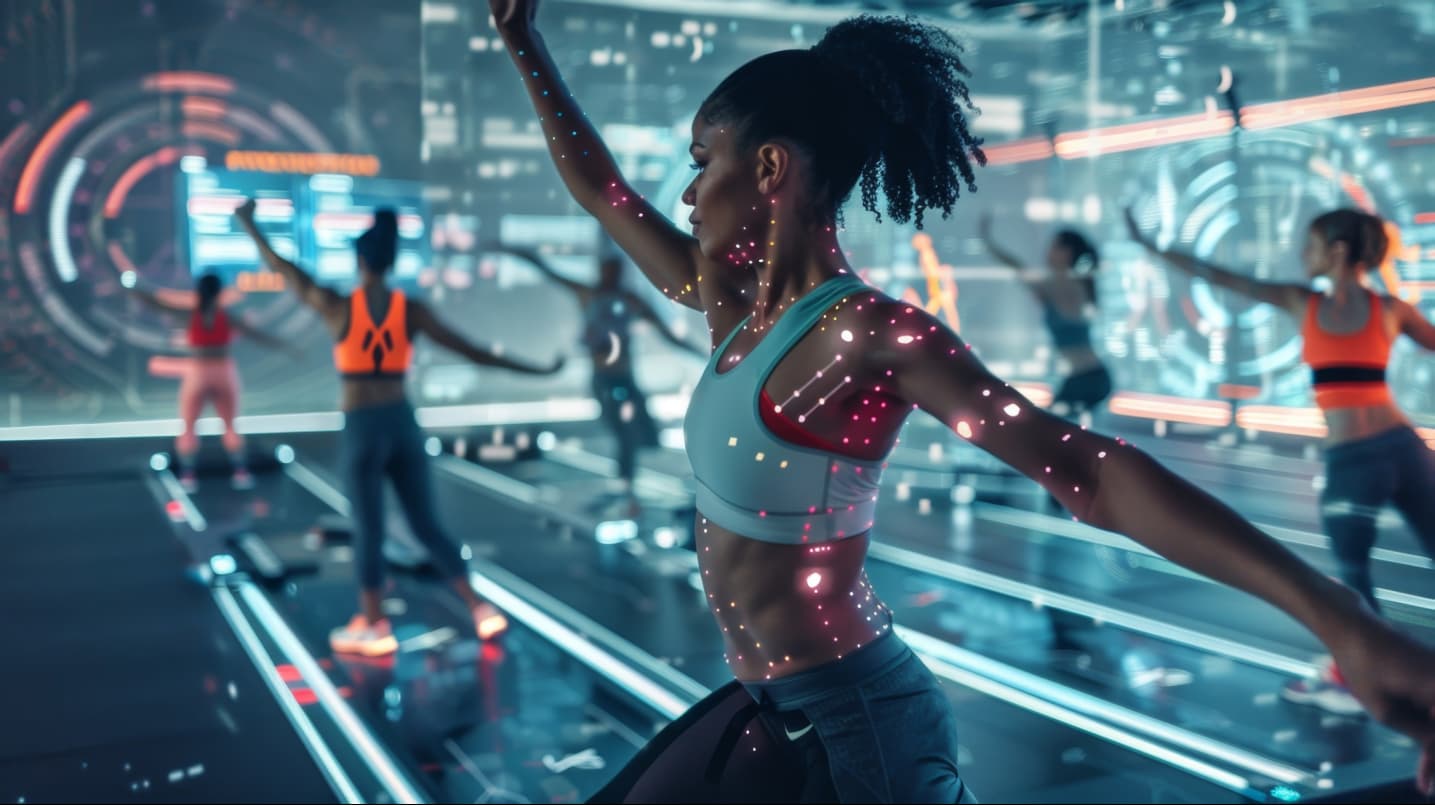
While AI fitness offers numerous benefits, it’s important to approach this technology with a balanced perspective. Here are some challenges and considerations:
Privacy and Data Security
AI fitness apps collect vast amounts of personal data, including health information and workout habits. Privacy concerns naturally arise. Users must be vigilant about where their data is stored and how it’s used. Choose reputable apps with strong data protection policies.
Accuracy and Reliability
AI algorithms are only as good as the data they’re trained on. There’s always a risk of inaccuracies in AI-generated workout plans or form assessments. While many AI fitness tools are highly sophisticated, they may not always account for individual nuances or specific health conditions.
The Human Touch
Despite advances in AI, there’s still value in human interaction. AI can’t fully replicate the empathy, motivation, and real-time judgement that a human personal trainer provides. Some users may find AI-only fitness solutions lacking in emotional support or need more human encouragement to stay motivated.
Overreliance on Technology
There’s a risk of becoming overly dependent on AI for fitness guidance. This could lead to a decreased ability to listen to your body or make independent decisions about workout intensity and recovery.
Accessibility Issues
While AI fitness apps make personalised training more accessible, there’s still a digital divide. Not everyone has access to the latest technology or the digital literacy to use these tools effectively. Ensuring that AI fitness solutions are inclusive and accessible to a diverse user base is crucial.
The Future of AI in Health and Fitness
As we look ahead, it’s clear that AI will continue to play a pivotal role in shaping the health and fitness landscape. Let’s explore some exciting developments on the horizon:
Revolutionising the Fitness Industry with AI Integration
AI is set to transform every aspect of the fitness industry, from gym equipment to personal training. We can expect to see:
- Smart gyms with AI-powered machines that automatically adjust to each user’s profile
- Virtual reality workouts guided by AI, creating immersive fitness experiences
- AI-driven health assessments that provide comprehensive insights into overall wellness
These advancements will make fitness more engaging, effective, and accessible than ever before.
Enhancing Health and Fitness Tracking with AI Technologies
The future of fitness tracking goes far beyond step counts and calorie burns. AI-powered wearables will likely offer:
- Predictive health analytics, alerting users to potential issues before they become serious
- Real-time stress management suggestions based on physiological data
- Personalised nutrition advice that adapts to your body’s changing needs
This level of insight will empower users to take proactive control of their health.
AI-Powered Fitness Coaches: The Next Level
As AI becomes more sophisticated, we can anticipate virtual fitness coaches that rival human trainers in their ability to motivate and guide users. These AI coaches might:
- Use natural language processing to provide conversational feedback
- Analyse facial expressions and tone of voice to gauge motivation levels
- Collaborate with human trainers, augmenting their expertise with data-driven insights
Integration with Healthcare Systems
The line between fitness and healthcare will likely blur as AI fitness tools integrate more closely with medical systems. This could lead to:
- Seamless sharing of fitness data with healthcare providers
- AI-driven recommendations that consider both fitness goals and medical history
- Early detection of health issues through analysis of long-term fitness data
Personalisation at a Genetic Level
Advances in AI and genetic research may allow for fitness plans tailored to your DNA. This could include:
- Workout routines optimised for your genetic predispositions
- Nutrition plans based on your genetic response to different foods
- Injury prevention strategies aligned with your genetic risk factors
As AI continues to evolve, its impact on health and fitness will only grow. While challenges remain, the potential for AI to create more personalised, effective, and accessible fitness solutions is immense. The future of fitness is smart, adaptive, and tailored to each individual’s unique needs and goals.
Wrapping Up
Alright, let’s bring this home with a bit more meat on the bones. After 20 years in the fitness game and a year of diving deep into AI, I can confidently say that AI fitness isn’t just a passing fad. So what is AI fitness? It’s a revolution that’s reshaping our approach to health and wellness.
Let’s recap the key points:
- Personalisation: AI tailors workouts to your unique needs, goals, and progress.
- Real-time feedback: Get instant form corrections and performance insights.
- Data-driven progress: Track your journey with pinpoint accuracy.
- Accessibility: Expert-level guidance available 24/7, right in your pocket.
- Adaptive training: Your workout plan evolves as you do, keeping you challenged.
Now, I know some of you might be thinking, “Jimmy, this all sounds a bit too high-tech for me.” I get it. I was skeptical too at first. But here’s the thing: AI fitness isn’t about replacing the sweat and grit that goes into getting fit. It’s here to make that journey smarter and more efficient.
Whether you’re a complete newbie or a veteran, AI has something to offer you. It’s like having me, your friendly fitness instructor, in your pocket 24/7 – but with a supercomputer for a brain.
So, here’s my challenge to you: Give it a go. Download an AI fitness app, try out a smart gym, or strap on a high-tech wearable. Start small if you like – maybe use an AI app to track your runs or guide your home workouts. Approach it with an open mind, and you might just be surprised at what you can achieve.
Remember, fitness isn’t about perfection – it’s about consistency and progress. And if AI can help you make that progress faster, smarter, and more sustainably, why wouldn’t you wanna give that a go.